● Why Lowline?
Modest Frame, Big Performance.
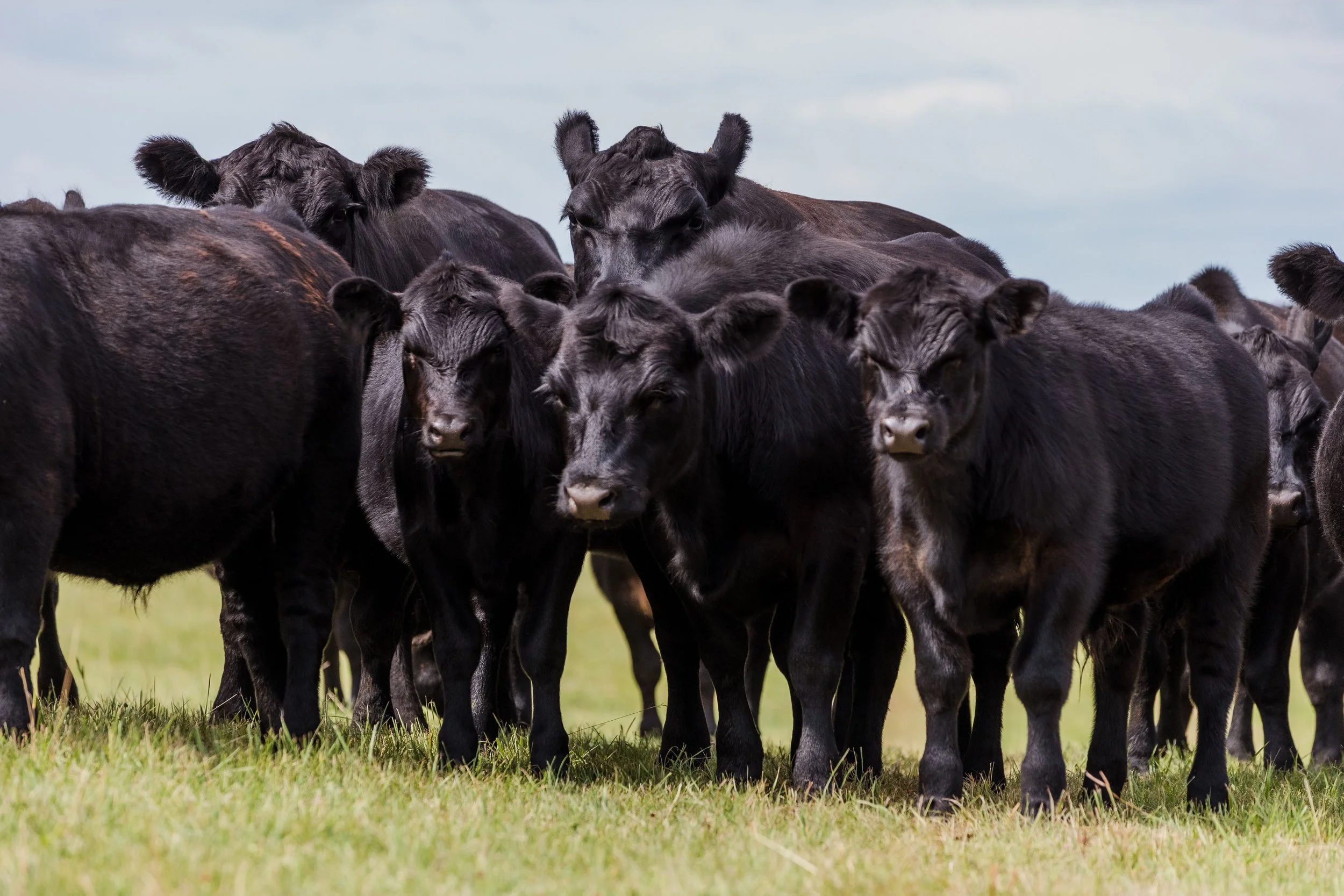
Lowline cattle offer big advantages in a compact, manageable package. Their moderate size, docile nature, and excellent mothering ability make them ideal for both large-scale ranchers and small-acreage farms. Commercial heifers bred to full-blood Lowline bulls calve easily and breed back quickly, reducing labor and veterinary costs while improving herd fertility and shortening calving intervals. Lowline cows also maintain themselves on significantly less feed than full-size crossbred cattle yet consistently wean more pounds of calf per acre. With their ease of handling, reduced equipment needs, and strong economic return, Lowlines deliver high performance without the high inputs.
● Let’s Compare
Where Lowlines Outperform Other Breeds
These breeds each have their merits, and they all cross beautifully with Lowlines to complement their strongest attributes. Still, Lowlines shine brightest when it comes to easy calving, friendly dispositions, exceptional grass performance, and top-tier beef.
●
Simmental
Compared to Simmentals, Lowlines have: Easier calving; gentler temperament; higher beef yield per acre; thrive on grass-only diets; excellent taste and tenderness; stronger mothering traits; smaller, safer bulls; lower feed and vet costs; premium-quality carcasses.
●
Hereford
Compared to Herefords, Lowlines have: Even calmer disposition; superior calving ease; better grass efficiency; higher yield per acre; premium tenderness and ribeye expression; excellent mothers; reduced bull size; lower operational costs.
●
Wagyu
Compared to Wagyu, Lowlines have: Far easier calving; more docile; finish well on forage without intensive feeding; higher practical yield; strong maternal instincts; smaller bulls; dramatically lower inputs; premium beef without high-cost management.
●
Murray Grey
Compared to Murray Greys, Lowlines have: Greater forage efficiency; more reliable easy-calving; lower daily feed needs; exceptional grass-based beef quality; higher value carcasses; compact bulls; strong mothering; overall lower inputs.
●
Shorthorn
Compared to Shorthorns, Lowlines have: Easier calving; superior forage conversion; more efficient weight gain on grass; higher-value beef; steadier temperament; smaller-framed bulls; reduced feed and vet costs.
●
Angus
Compared to Angus, Lowlines have: Comparable beef quality with far lower inputs; significantly easier calving; thrive on grass alone; higher pounds of beef per acre; excellent mothers; smaller, safer bulls; lower operating and feed costs; consistently premium carcasses.
● From Field to Plate
Efficient Grazers, Exceptional Beef.
Lowlines excel in forage-based systems thanks to their natural feed efficiency and ability to thrive—and finish—on a grass-only diet. Their easy-fleshing nature and moderate frame improve a farm’s carrying capacity while keeping input costs low. Whether purebred or introduced through crossbreeding, Lowline genetics enhance fertility, efficiency, and longevity across the herd. The result is high-value, high-quality carcasses known for exceptional taste, texture, tenderness, and ribeye expression per hundred pounds of body weight. For producers seeking profitable grass-fed beef, Lowlines make efficiency and premium eating quality go hand in hand.
A Closer Look at Lowlines
●
The Benefits
Lowline cattle offer impressive efficiency, thriving on forage-only diets while producing premium, tender beef with excellent ribeye expression. Their moderate size and low input requirements allow producers to increase pounds of beef per acre with lower feed, equipment, and veterinary costs. Calm, manageable, and easy to work with, Lowlines also make outstanding cattle for youth and 4-H projects.
●
Purebred or Mix-in with Your Herd
Lowline genetics enhance any herd by improving calving ease, forage efficiency, temperament, and carcass quality. Whether raised purebred or used in crossbreeding programs, they deliver consistent gains in fertility, longevity, and pounds weaned per acre. Crossing Lowlines with other breeds—including dairy breeds—helps prevent difficult calvings in heifers, making them an excellent choice for first-time mothers. Compared to larger breeds, Lowlines reduce operating costs while maintaining—or improving—beef quality and overall herd performance.
●
Lowline History
Lowlines originated in Australia through a long-running research project at the Trangie Research Centre, where Angus cattle were selectively bred for lower yearling growth. After nearly two decades of closed-line selection, the Low Line group stabilized at about 30% smaller than standard Angus while retaining exceptional conformation and docility. Public interest led to the breed’s preservation in the early 1990s and the formation of the Australian Lowline Cattle Association.
●
Quality Meat
Lowlines are renowned for producing tender, flavorful, well-marbled beef with an exceptional ribeye area relative to body weight. They finish efficiently on grass alone, eliminating the need for high-cost grain-based programs. The result is premium, high-value carcasses that appeal to grass-fed and gourmet beef markets alike.
●
Beefy Bulls
Despite their moderate stature, Lowline bulls are naturally thick, muscular, and efficient converters of grass into high-yield beef. Their compact, well-balanced build delivers deep muscle and strong carcass traits while avoiding the challenges that can come with oversized frames. Easy to handle and safer to manage, they bring practical strength and durability to both small operations and large herds. Naturally polled and highly efficient on forage, Lowline bulls help reduce feed, equipment, and veterinary costs while maintaining consistent performance. Most importantly, they pass on reliable genetics known for easy calving, efficient growth, and productive calves that strengthen any herd.
●
Gentle Nature & Strong Maternal Instincts
Known for their calm disposition, Lowlines are easy to handle and ideal for low-stress operations or smaller acreages. Their strong maternal instincts result in easy calving, attentive mothering, and robust calves with rapid early growth. These traits help maintain herd health while reducing labor and veterinary intervention.
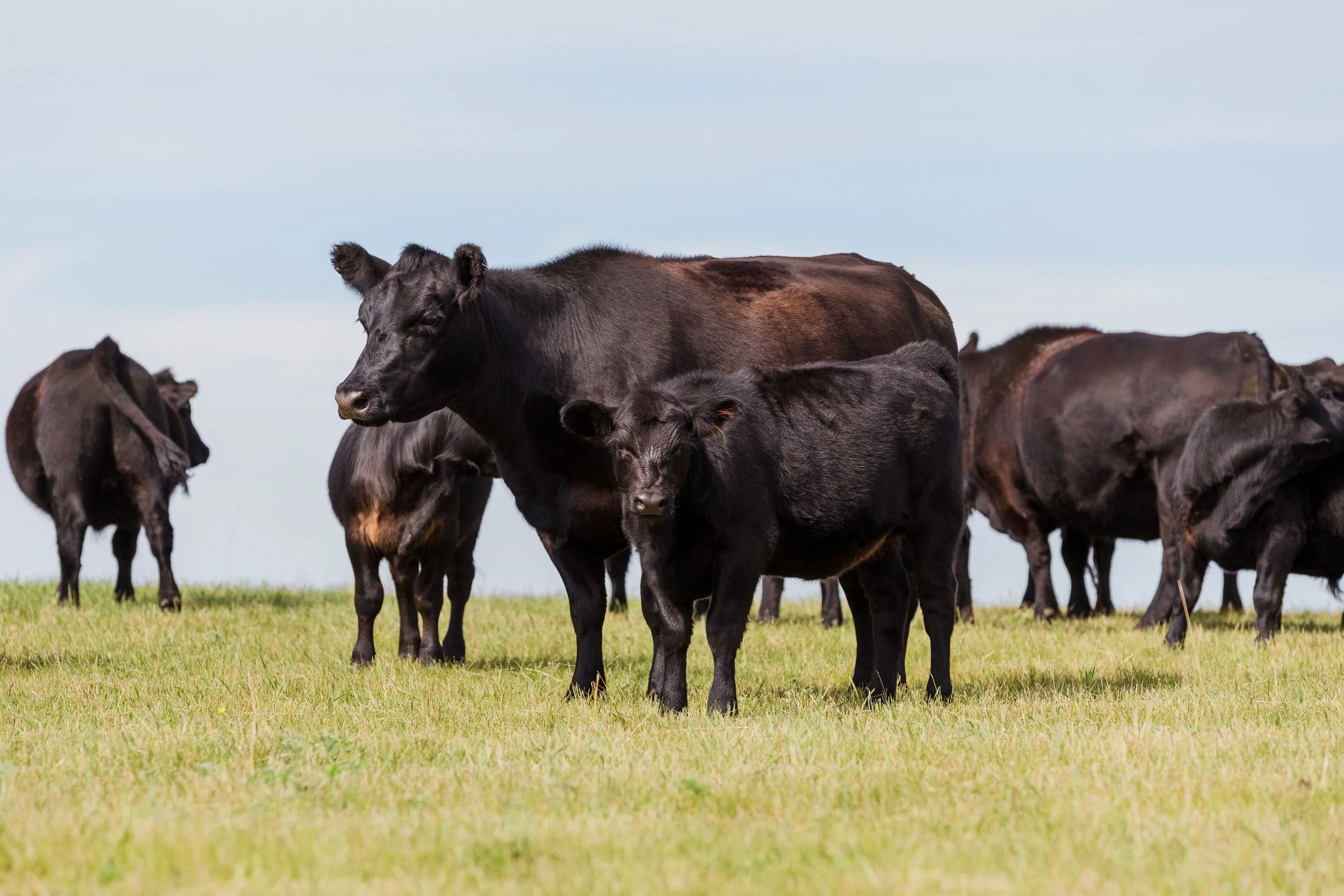
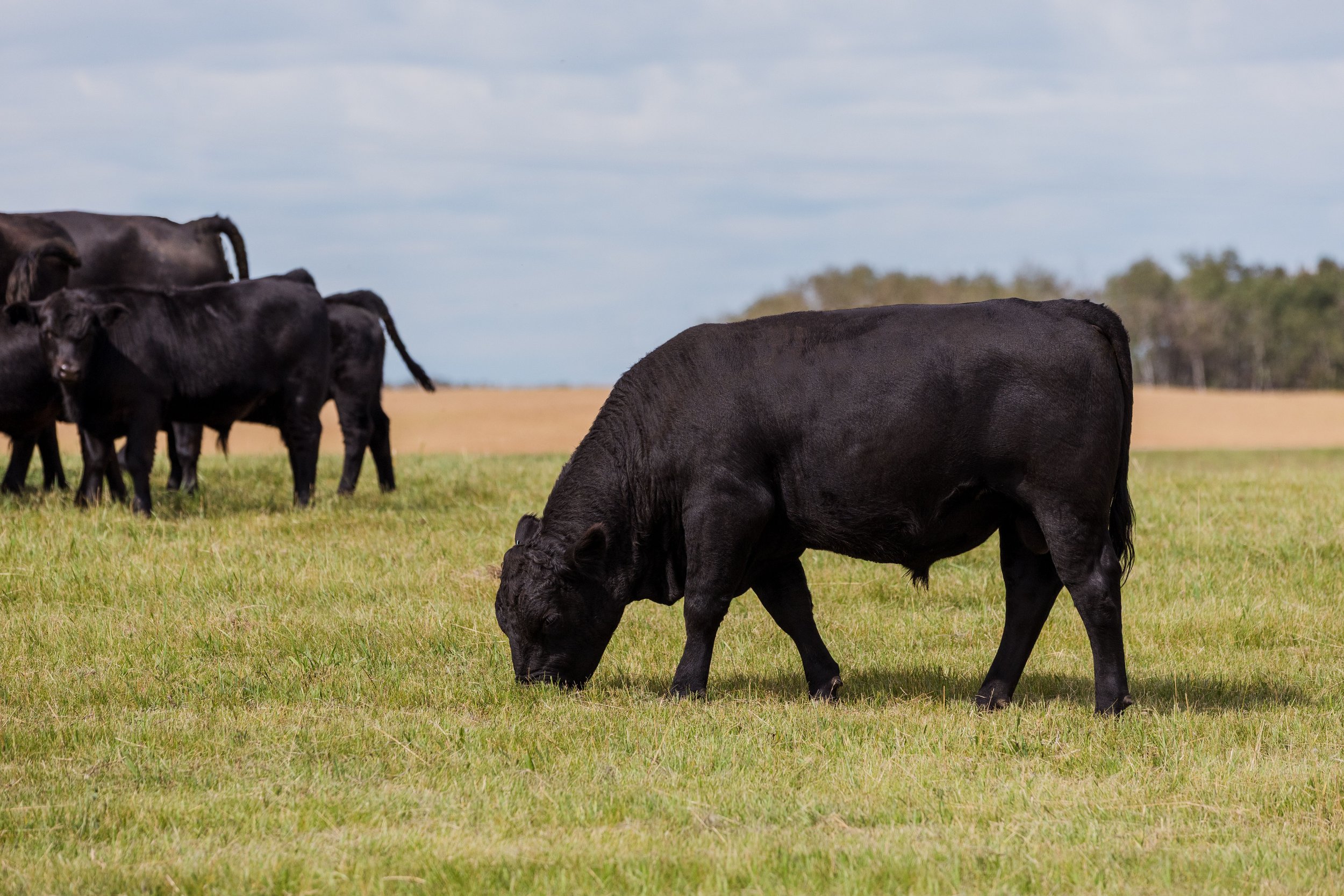
Lowlines are known for their calm, easy-handling temperament that makes daily management stress-free, and even in open pasture their quiet disposition shines through.
Their gentle nature makes them an ideal fit for families, youth programs, and small operations who value safety and ease. This steady, predictable demeanor is a defining trait of the breed—and a major advantage for hands-on breeders.
☼ Member Ranch, Alberta CA