Together, Lowline breeders in Canada are building a future-focused breed that’s gaining interest not only at home, but also across the USA and Europe.
With DNA-verified pedigrees and a focus on efficiency and docility, Lowlines deliver predictable performance on small acres. Ranchers value their consistency, gentle nature, and impressive grass-based productivity.
☼ Member Ranch, Alberta CA
Premium Cattle
● About
Efficient. Gentle. Exceptional.
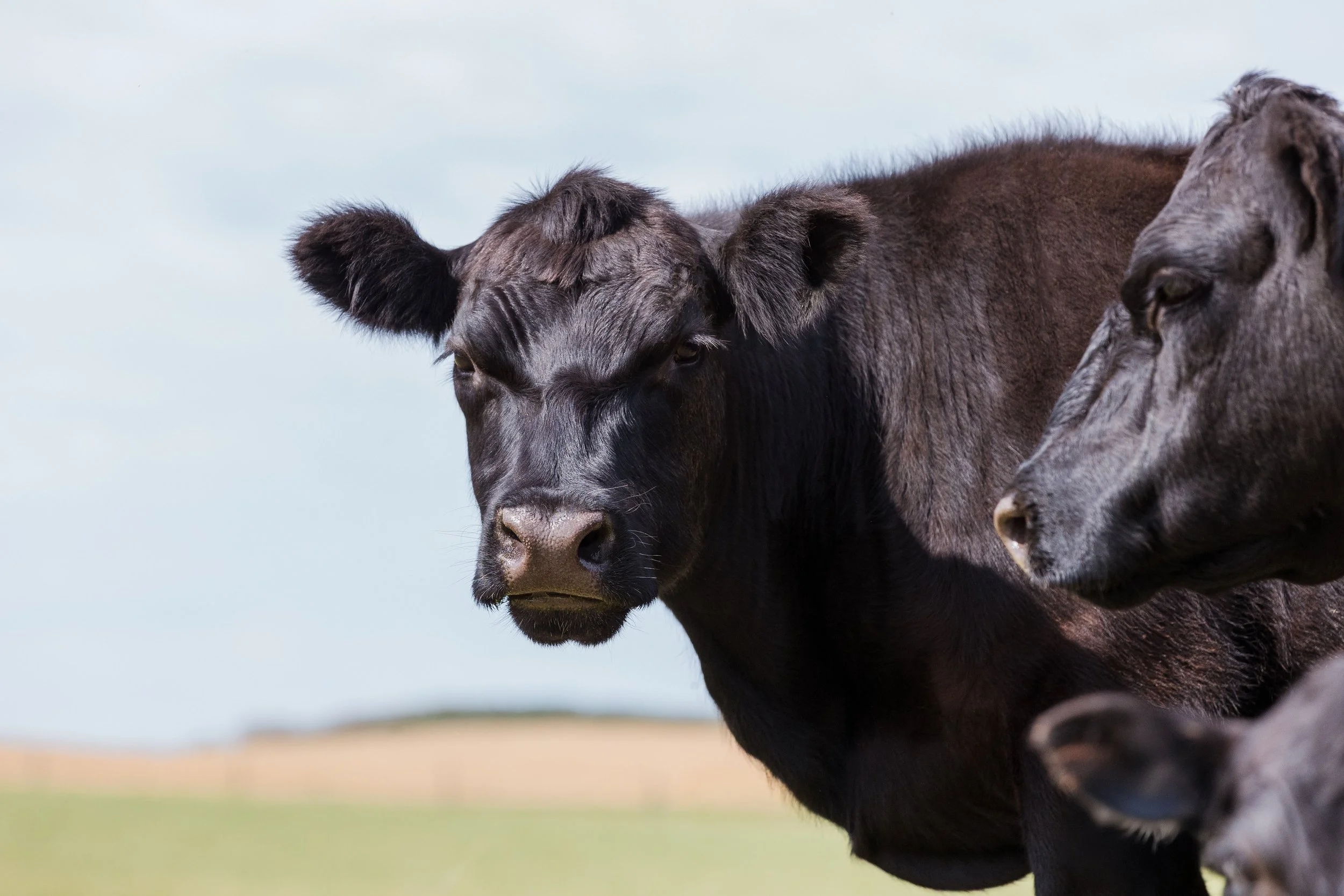
Lowline cattle offer a unique combination of efficiency, temperament, and exceptional beef quality. Naturally easy-fleshing, easy-calving, and remarkably docile, Lowlines thrive on a forage-only diet while delivering premium, tender beef with outstanding flavor and ribeye muscle expression relative to their size. Their moderate frame and low nutritional requirements make them a smart, low-input choice for producers looking to increase pounds of beef per acre without sacrificing quality. With their calm disposition and manageable size, Lowlines are also ideal for youth and 4-H projects—helping the next generation gain confidence and success in the cattle industry.
Who is the CLRC?
The Canadian Livestock Records Corporation (CLRC) is a private, non-profit organization that has supported the Canadian livestock industry since 1905 under the federal Animal Pedigree Act. For Lowline Cattle, CLRC provides the official framework for maintaining accurate, recognized pedigree records in Canada, ensuring breed integrity and national consistency. CLRC currently manages records for more than fifty breed associations and administers national herd books where needed.
-
Lowline breeders benefit from secure, permanent pedigree records and access to reliable registration, reporting, and data support. These services help maintain breed integrity, support marketing and export requirements, and ensure long-term compliance with national standards.
-
CLRC is governed by a seven-member Board of Directors and supported by a professional team that oversees daily registry operations. Services are delivered through a standardized fee-for-service model, with fees established by each breed association.
-
CLRC offers a full range of registry and administrative services to support breed associations and breeders, including registrations, transfers, herd books, pedigree reporting, and secure document storage. Its services also extend to data management, electronic reporting, communication and publishing support, and breeder and association inquiries. Together, these services ensure accurate record-keeping, efficient administration, and consistent national standards for the Canadian livestock industry.
● Lowline cattle characteristics
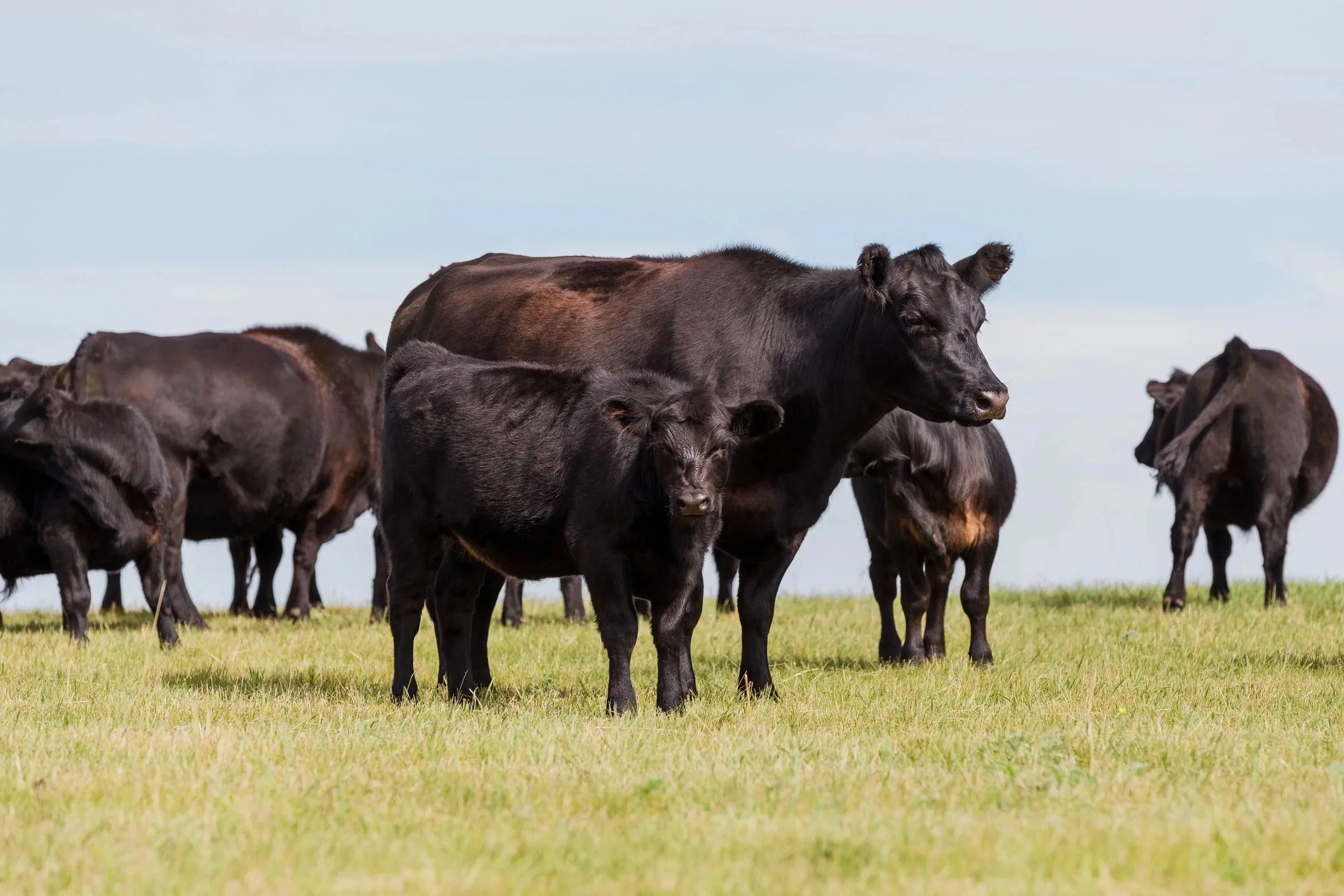
Strong Maternal Instincts
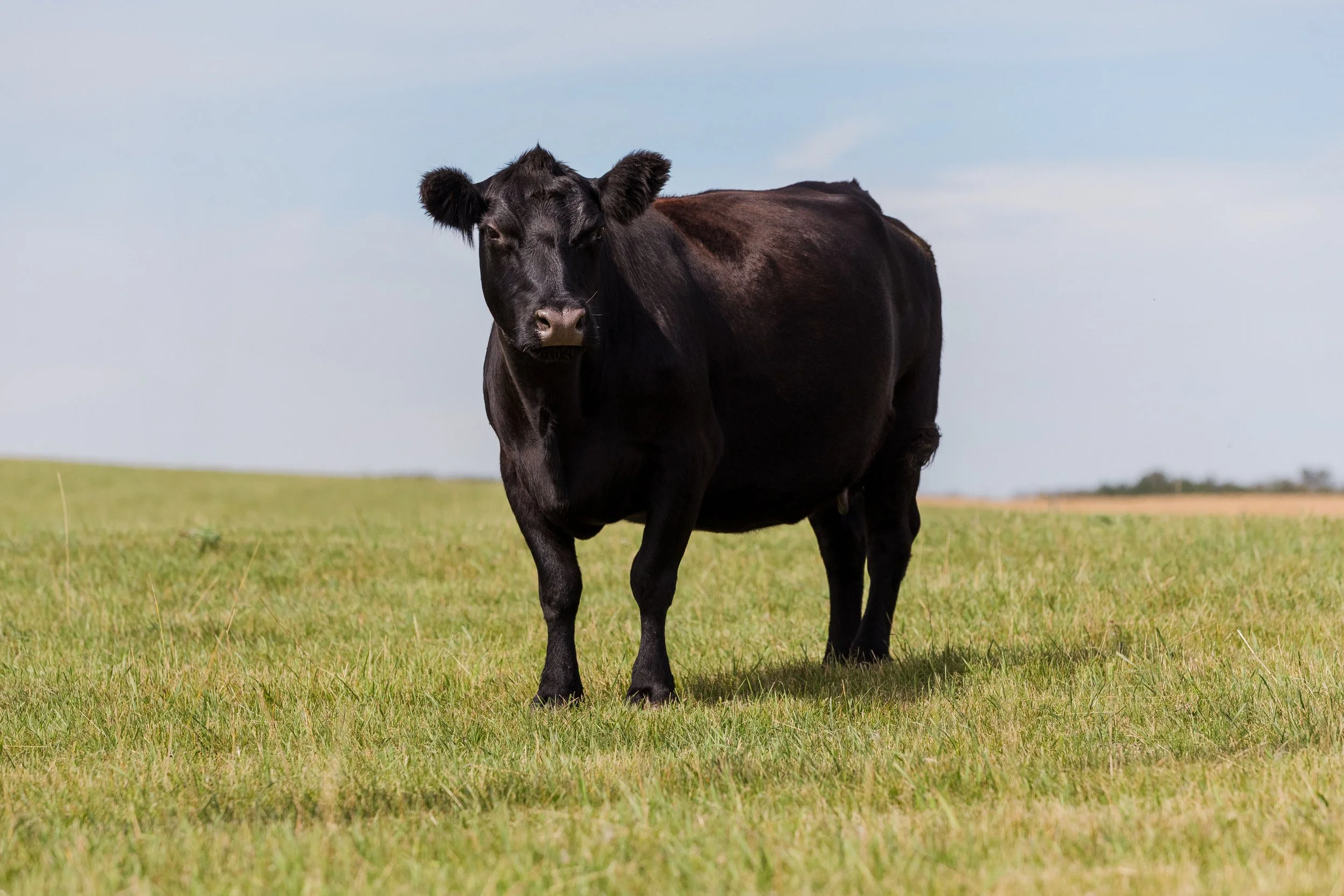
Lowline cattle have excellent mothering skills, a trait that is widely recognized for the breed. These skills are demonstrated through easy calving, strong maternal instincts, and the ability to produce and raise a healthy calf. Calves are born small but robust, with rapid early growth and a high percentage of the mother's body weight, making them hardy and efficient. The breed is naturally polled and typically black in colour, though other colours may occasionally occur.
● Lowline cattle characteristics
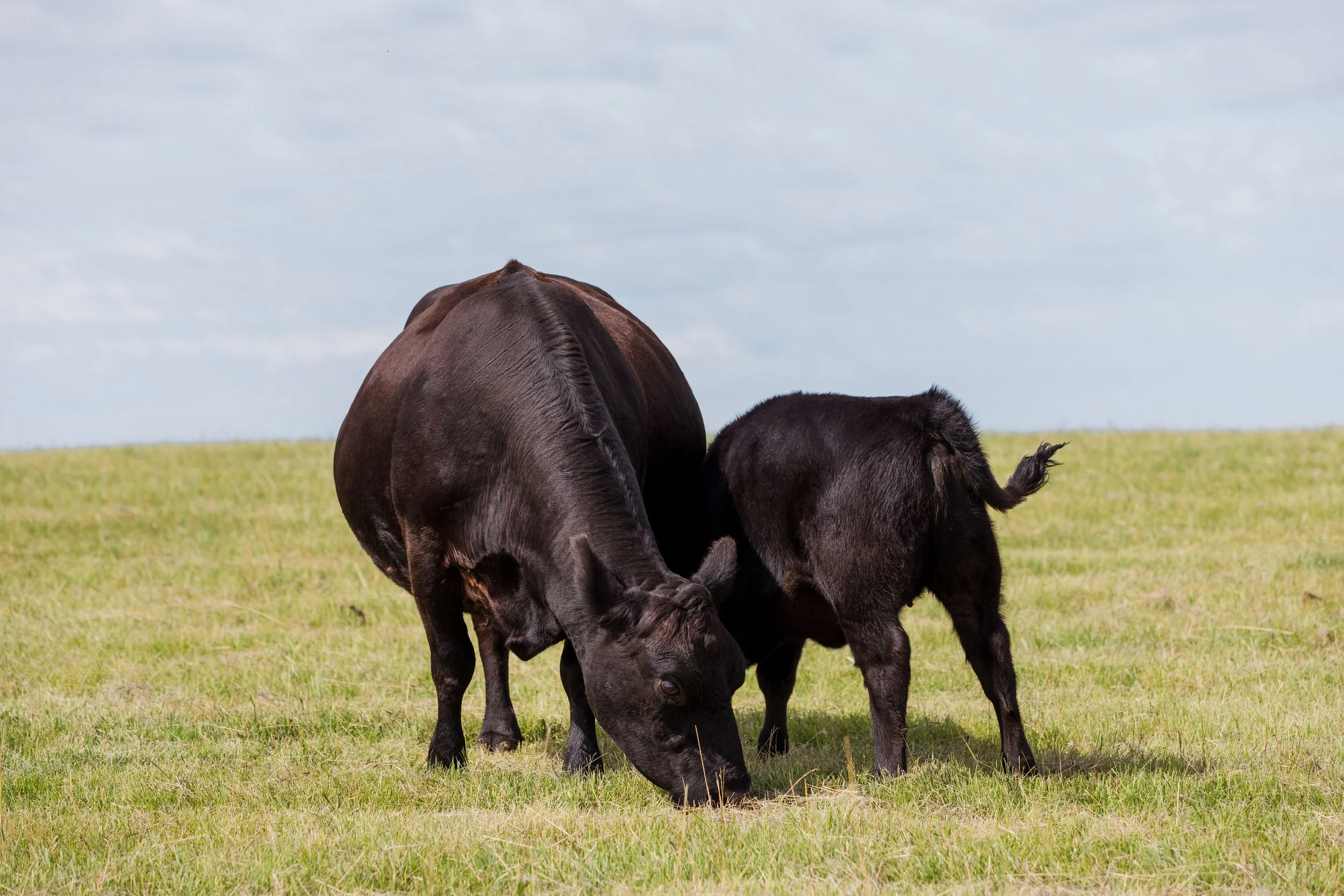
Gentle nature
Lowline cattle are a moderate-framed breed developed from 100% Angus genetics, selected for their lower growth rates and compact size. Mature cows typically weigh between 850 and 1,100 pounds, while bulls range from 1,100 to 1,400 pounds. Known for their docile and gentle temperament, Lowlines are easy to handle, making them ideal for small farms or operations focused on low-stress management. They are highly efficient at converting grass into meat, requiring less feed and maintenance than larger breeds, and can produce more beef per acre. Carcass quality is exceptional, with tender, flavorful, and well-marbled beef, a high rib eye area per hundred pounds of body weight, and a high percentage of valuable cuts.
● Lowline cattle characteristics
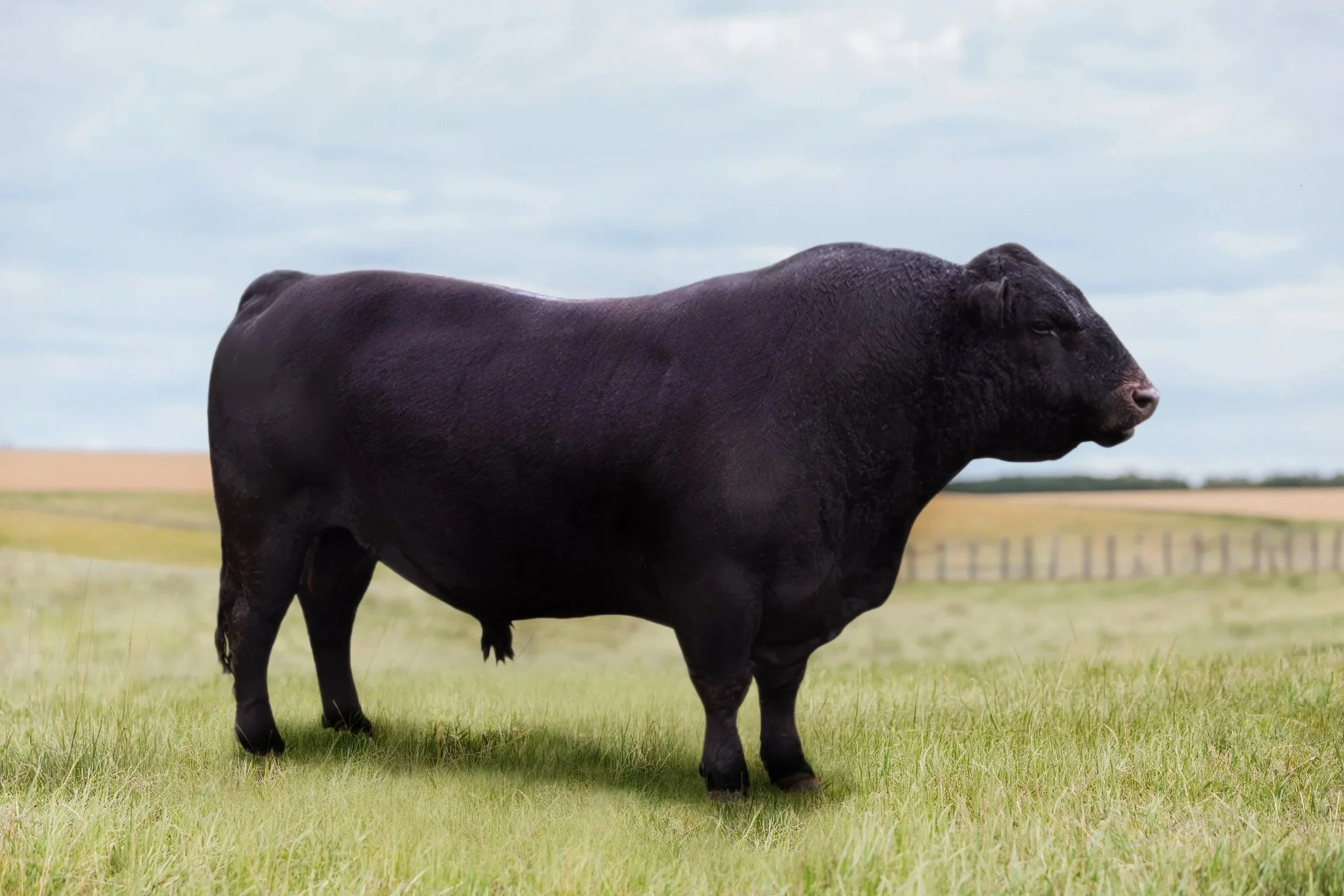
Beefy bulls
Lowline bulls are thick, muscular, and highly efficient, converting forage into high-yield beef with fewer inputs. Their compact, moderate frame makes them safer and easier to manage while still delivering strong carcass traits and durable performance. Naturally polled, they consistently pass on easy-calving, efficient, and high-performing genetics that strengthen any herd.
Lowline vs. Other Breeds
Lowline cattle stand out from other breeds due to their unique combination of practicality and performance. They offer a smart, sustainable alternative to larger, more resource-intensive breeds.
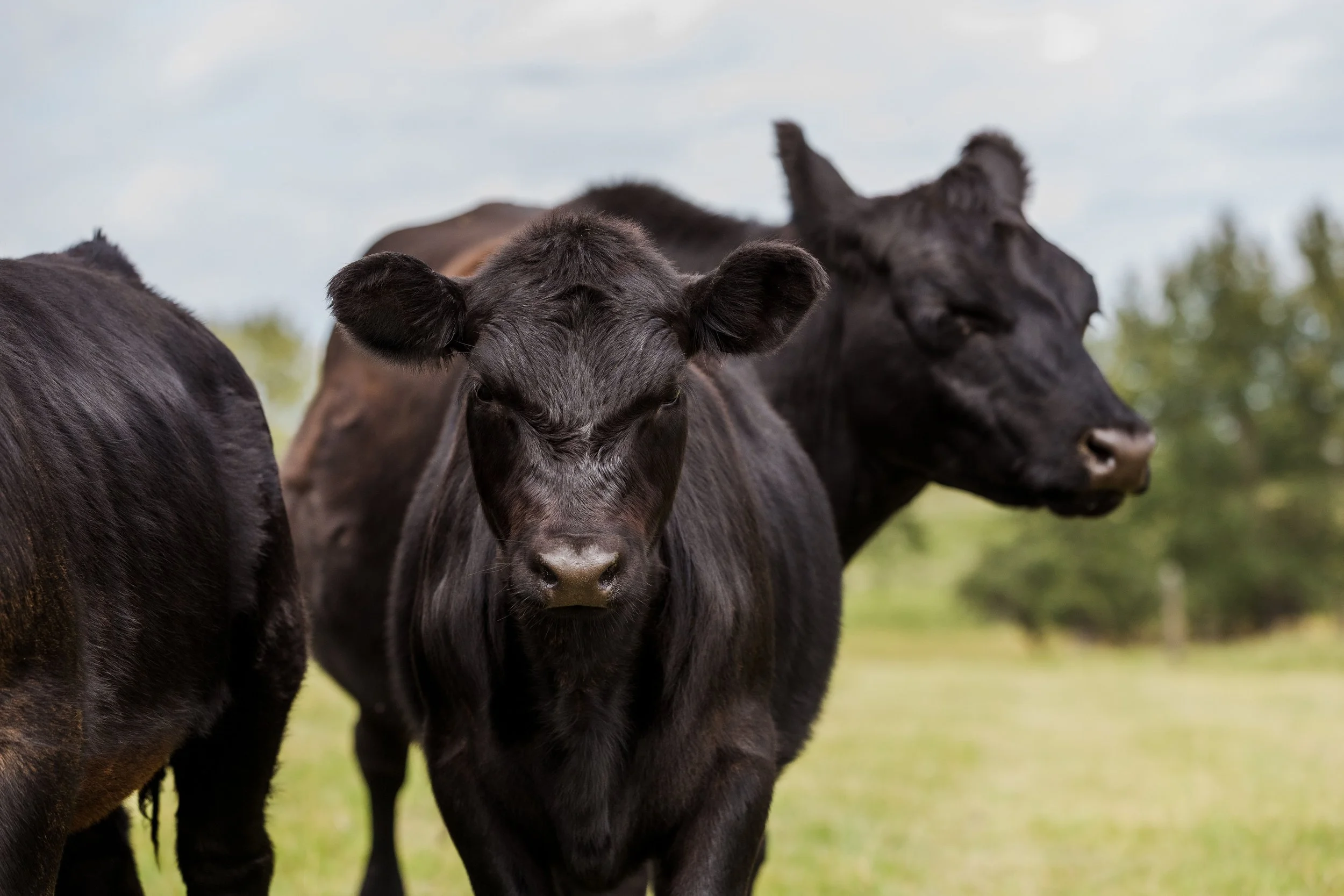
Gentle, efficient, and built to deliver premium beef on nothing but grass.
● Contact
Become a Member
Join a growing community of motivated ranchers who value efficient, grass-driven, easy-handling cattle and sustainable, low-input beef production. Membership offers access to proven genetics, shared expertise, and a supportive network open to producers of all experience levels. Sign up today!